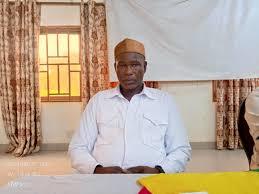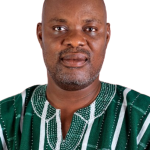
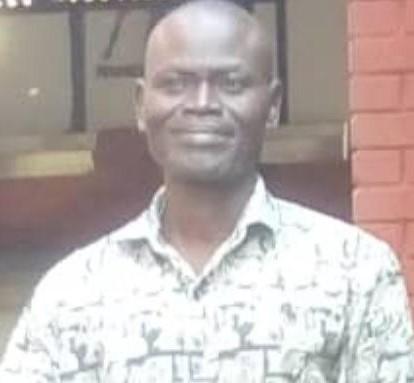
Yakubu Yussif Castro,Municipal Chief Executive -West Gonja Municipal District
West Gonja Municipal Distriict
About West Gonja Municipal
Damongo District, officially known as West Gonja Municipal, is the administrative capital of the Savannah Region and a cultural and ecological hub in northern Ghana. It spans approximately 4,715 square kilometers and shares boundaries with Central Gonja, North Gonja, Sawla-Tuna-Kalba, and Bole Districts. The municipality is home to the Gonja Kingdom and hosts the revered Yagbon Skin, making it a center of traditional authority and heritage.
The district’s population is estimated at over 63,000, spread across 104 towns, villages, and communities. Ethnic diversity is a hallmark, with Gonjas, Dagombas, Mamprusis, Vaglas, Ewes, Akans, and Fulanis coexisting peacefully. Languages spoken include Gonja, Vagla, Hanga, Dagaare, Waale, Frafra, Twi, Ewe, and Hausa.
Agriculture remains the backbone of the local economy, with crops such as maize, millet, yams, okra, groundnuts, and upland rice widely cultivated. Shea nuts are harvested from wild trees and processed into oils and cosmetics. The district also supports livestock rearing and artisanal fishing, while tourism and forestry are emerging economic drivers.
Damongo is renowned for its cultural richness and historical significance. It hosts the Larabanga Mosque—one of Africa’s oldest mosques—and the Mystic Stone, both steeped in legend and spiritual reverence. The Mole National Park, Ghana’s largest wildlife reserve, is located here, offering sanctuary to elephants, antelopes, monkeys, and over 300 bird species. The Zaina Lodge and Mognori Eco Village provide eco-tourism experiences that blend luxury with cultural immersion.
Infrastructure development is ongoing, with improvements in roads, sanitation, and education. The town has three senior high schools—Damongo SHS, Ndewura Jakpa Secondary Technical, and St. Anne’s Girls SHS—alongside the Damongo Agricultural College and Health Assistant School. However, challenges persist in water access, street lighting, and flood protection.
Four key development projects are shaping the district’s transformation. The Green Damongo Project, led by MP Samuel Abu Jinapor, aims to plant 32,000 trees across the municipality to combat climate change and beautify urban spaces. The Sustainable Cities Project, funded by the EU, is enhancing urban planning, climate-smart infrastructure, and service delivery. A major water supply initiative, also EU-funded, is set to improve access to clean water across Damongo and surrounding communities. Additionally, the district is part of the Mole Ecological Landscape initiative, which promotes cassava value chain development and agro-ecological resilience.
The current Municipal Chief Executive is Yakubu Yussif Castro, confirmed in April 2025 with unanimous assembly support.
He is a teacher by profession .
He has pledged to prioritize inclusive governance, infrastructure expansion, and youth empowerment. His early engagements include familiarization visits to security services and oversight of sanitation and education projects.

Leave a comment
Your email address will not be published. Required fields are marked *