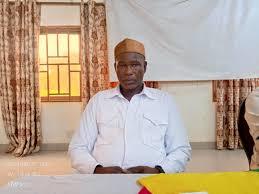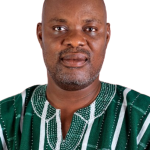
Hon. Andrews Kojo Dodoo, District Chief Executive - Ajumako/Enyan/Esiam District
Proflie of DCE
At the helm of the district’s governance is Hon. Andrews Kojo Dodoo, who was confirmed as the District Chief Executive (DCE) for Ajumako/Enyan/Esiam District in April 2025. His confirmation, backed by an overwhelming 98.5% approval from Assembly Members, marked a new chapter in the district’s leadership. Hon. Dodoo has pledged to prioritize Assembly Member welfare, enhanced revenue generation, and accelerated development across the district. His administration is expected to build on existing infrastructure while addressing long-standing challenges such as poor road networks, youth unemployment, and gaps in health and education delivery.
About Ajumako/Enyan/Esiam District
Ajumako District
Ajumako/Enyan/Esiam District, located in the northeastern corridor of Ghana’s Central Region, is a culturally vibrant and agriculturally rich district with Ajumako serving as its administrative capital. Established in 1988 through Legislative Instrument (LI) 1383, the district was carved out of the former Breman-Ajumako-Enyan District Council and now spans approximately 541.3 square kilometers, representing about 5.5% of the region’s total landmass. As of the 2021 census, the district’s population stands at 120,586, with a slight female majority and a dependency ratio of 0.98, indicating that every working individual supports at least one dependent
.
The district’s economy is predominantly agrarian, with over 15,000 households engaged in farming. Cocoa, cassava, oil palm, maize, and citrus are widely cultivated, while vegetable farming—particularly garden eggs, okro, and pepper—is gaining traction. Livestock and poultry production, though largely domestic, is gradually expanding through commercial ventures. The district also boasts mineral deposits such as gold, mica, and kaolin, offering potential for future industrial development.
Health delivery has seen notable improvements through the completion of nurses’ quarters at Osedzi and the renovation of the Kwanyanko Health Centre. The district’s health system operates across five sub-districts—Abaasa, Bisease, Ajumako, Sonkwa, and Nwantanum—with a central hospital and multiple CHPS compounds providing both curative and preventive care. Despite these strides, challenges persist, including high malaria incidence, low family planning uptake, and inadequate medical equipment.
In education, the district hosts over 100 public basic schools, four senior high schools, and a campus of the University of Education, Winneba. The Assembly continues to invest in infrastructure and learning materials, including the distribution of furniture and renovation of administrative blocks. A 30-member Girls’ Education Network has been launched to promote female enrolment and retention.
Water and sanitation efforts have led to the declaration of over 50 communities as open defecation-free, while borehole drilling and mechanized water systems are improving access to potable water. Road infrastructure, however, remains a pressing concern, with many feeder roads in poor condition and ongoing reshaping efforts underway.
Culturally, the district is home to five paramountcies—Ajumako, Breman Essiam, Enyan Abaasa, Enyan Denkyira, and Enyan Maim—with festivals like Akwambo celebrated annually. Tourist attractions such as the sacred bell of Breman Essiam, the Anyinasu Hanging Stool, and the Akotogua Lake offer opportunities for cultural preservation and eco-tourism.
Despite its potential, the district faces challenges including youth unemployment, poor post-harvest infrastructure, and limited access to banking services. Hon. Nyarko’s administration remains committed to addressing these gaps through strategic planning, stakeholder engagement, and community-driven development.

Leave a comment
Your email address will not be published. Required fields are marked *