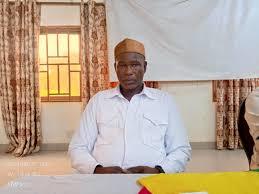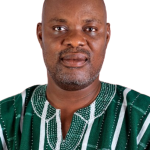

Hon. Zakaria Issifu, District Chief Executive, Nanumba South Municipal District
DCE
The current District Chief Executive, Hon. Zakaria Issifu, has continued the legacy of inclusive governance, following the tenure of Hon. Ibrahim Nantogmah Munkaila.
Under his leadership, the district has prioritized structural planning, budget credibility, and community engagement. Initiatives such as the Community Infant and Young Child Feeding program and sensitization campaigns on harmful traditional practices reflect a commitment to social welfare and gender equity.
Nanumba South District stands as a culturally rich and development-focused region, where tradition and progress intersect. With strong leadership, vibrant community spirit, and strategic planning, the district is poised to unlock its full potential and serve as a model for sustainable rural transformation in Ghana.
Nanumba South Municipal District: A Cultural Stronghold Advancing Rural Development
Located in the eastern corridor of Ghana’s Northern Region, Nanumba South District was officially established on 27th August 2004 through Legislative Instrument (L.I) 1763. It was carved out of the former Nanumba District, with Wulensi designated as its administrative capital.
The district spans approximately 1,789.2 square kilometers and shares borders with Zabzugu District and the Republic of Togo to the east, East Gonja to the west, Nkwanta District of the Oti Region to the southeast, Nanumba North Municipal to the north, and Kpandai District to the southwest. As of the 2021 Population and Housing Census, the district had a population of 106,374, with a nearly equal distribution between males and females.
Nanumba South is predominantly rural, with over 82 percent of its population residing in rural communities. The district is home to two major ethnic groups — the Nanumbas and Konkombas — alongside smaller communities of Basares and other minorities. The Nanumba language is widely spoken, with Konkomba also prevalent. Traditional leadership is deeply rooted, with five paramount chiefs — Wulensi, Juali, Nakpayili, Kukuo, and Chichagi — playing vital roles in preserving cultural heritage and promoting peace. Celebrations such as the Fire Festival, Damba Festival, and the Yam Festival serve as unifying events that attract citizens from across the country back to their ancestral homes.
Agriculture is the backbone of the district’s economy, engaging over 85 percent of the population. Farmers cultivate a variety of crops including yam, cassava, maize, guinea corn, rice, groundnuts, beans, and tiger nuts. Livestock and poultry are reared on a small scale, while fishing is practiced by communities along the district’s rivers. The district is a net exporter of yams and legumes, with traders from Accra and Kumasi sourcing produce year-round. However, poor road conditions limit access to inland communities, affecting farmers’ ability to scale up production and income.
The manufacturing sector, though underdeveloped, includes agro-processing activities such as cassava into gari, groundnut oil extraction, rice milling, and shea butter production. Blacksmithing, smock weaving, tailoring, and dressmaking also contribute to local livelihoods. Tourism remains largely untapped, despite the presence of unique sites like the Kukuo Scarp and Witches Shrine, the Kpalga Ancient Mosque, and sacred groves such as Nakpa-Gbeini and Dakpam, which hold cultural and spiritual significance.
Recent development efforts have focused on improving education, health, sanitation, and water access. The district has benefited from donor-supported projects including UNICEF’s sanitation campaigns, USAID’s agricultural interventions, and the CHANCE Project’s gender equity and nutrition programs. In July 2025, the district celebrated a milestone with the commissioning of a clean water system in Japugando, transforming lives in the Konkomba community. Additionally, the acquisition of a modern waste management vehicle has boosted sanitation efforts across Wulensi and surrounding areas.

Leave a comment
Your email address will not be published. Required fields are marked *