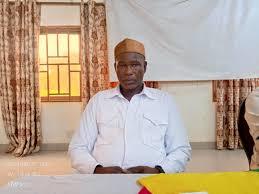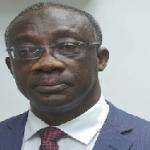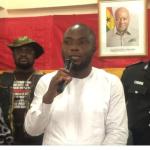
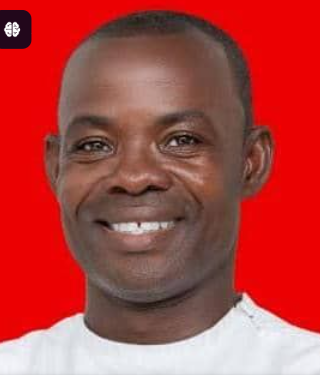
Hon. Peter Stanley Acquah, Municipal Chief Executive -Mfantsiman Municipal District
Profile of MCE
At the helm is Hon. Peter Stanley Acquah, a dynamic Municipal Chief Executive whose leadership is defined by civic collaboration, youth discipline, and infrastructure renewal. His administration has prioritized sanitation, transportation, and community empowerment—anchored in President Mahama’s broader “reset” agenda for national systems. He previously served as a Constuituency Secretary of NDC in Mfantseman.
o formalize tricycle operations, the assembly has enforced strict regulations: riders must be 21 years or older, possess a valid license, and be registered with PRA. This policy aims to reduce accidents, promote discipline, and enhance public confidence in local transport systems.
About Mfantsiman Municipal District
Mfantsiman Municipal Assembly: Coastal Development, Civic Engagement, and Infrastructure Renewal Under Hon. Peter Stanley Acquah
Located along Ghana’s Central Region coastline, Mfantsiman Municipal Assembly—with Saltpond as its capital—spans 321 square kilometers and is home to over 168,000 residents. The municipality stretches from Eguase in the west to Mankessim in the east, bordered by Abura-Asebu-Kwamankese, Ajumako-Enyan-Essiam, Ekumfi District, and the Gulf of Guinea. It comprises seven zonal councils and 36 electoral areas, supported by a diverse Assembly membership and four traditional paramouncies: Abeadze-Dominase, Nkusukum, Ekumfi, and Oguaa.
Infrastructure and Road Safety
The Assembly has partnered with the Mfantseman Pragyia Riders Association (PRA) to rehabilitate pothole-ridden roads, especially in Mankessim and along the Cape Coast Highway. The initiative, dubbed “Obia Bedidi,” reflects a grassroots approach to road safety and economic mobility. The Assembly has pledged support for PRA’s efforts, including the provision of office space to streamline operations and regulatory oversight.
T
Sanitation and Environmental Management
The Assembly led community clean-up campaigns in Saltpond Zongo and other areas, reinforcing the Assembly’s commitment to public health and environmental stewardship. The Assembly is expanding sanitation infrastructure, including 12-seater toilet facilities in Eguase Zongo and Nkubem, and distributing waste bins to improve household waste management.
In collaboration with NADMO Central, the Assembly is tackling illegal land reclamation and drainage blockages in flood-prone zones like Mankessim. These efforts aim to restore natural watercourses and prevent hydrometeorological disasters during the rainy season.
Education and Youth Empowerment
The Assembly continues to invest in educational infrastructure, with classroom blocks commissioned at Saltpond Beach Road, Biriwa, and Kwegyir Aggrey SHS. Dormitory facilities have been constructed for Mfantsiman Girls SHS, and youth engagement programs are being rolled out to promote civic responsibility and skills development.
Agriculture and Fishing
Agriculture and fishing remain economic pillars. Inland communities cultivate cocoa, oil palm, pineapples, and cassava, while coastal towns like Biriwa, Anomabo, and Abandze thrive on marine fishing. The Assembly is reviving the Baifikrom Irrigation Project and supporting agro-processing initiatives to boost food security and job creation.
Tourism and Cultural Heritage
Mfantsiman boasts historical landmarks such as Fort Amsterdam and Fort Anomabo, alongside vibrant festivals like Odambea and Ahobaa. Hon. Acquah’s administration is exploring tourism development strategies to harness these assets for economic growth and cultural preservation.

Leave a comment
Your email address will not be published. Required fields are marked *