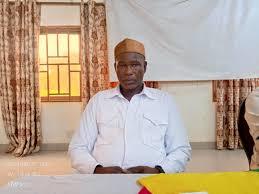

Hon. Isaac Azunaba, Municipal Chief Executive -Bawku Municipal District
Profile of MCE
Hon. Isaac Azunaba was confirmed as Municipal Chief Executive in April 2025. His administration has prioritized peacebuilding, infrastructure, and economic revitalization, especially in light of Bawku’s history of ethnic conflict.
Among the standout projects is the redevelopment of the Bawku Central Market, including a two-storey shopping mall with 18 lockable stores—an effort to modernize commerce and attract investment.
In education, the municipality has improved teacher attendance and increased the percentage of trained educators across basic schools. Health infrastructure has also seen upgrades, with expanded NHIS coverage and support for CHPS compounds.
Water access has been enhanced through borehole installations and dam rehabilitation, while the assembly has procured hundreds of low-tension electricity poles to boost rural electrification. Roads remain a challenge, but routine maintenance and gravelling efforts are underway to improve mobility. Hon. Azunaba’s leadership is grounded in stakeholder engagement and a commitment to restoring Bawku’s image as a peaceful and prosperous municipality. His confirmation was met with calls from regional leaders to prioritize unity and development.
From its Sahelian landscape to its bustling market cycles, Bawku Municipal is a district on the move—balancing tradition with progress, and local ingenuity with national support.
.
Bawku Municipal District
Bawku Municipal, a district shaped by history, trade, and resilience. With a population of approximately 119,458, the municipality serves as a vital urban center bordered by Burkina Faso to the north, Togo to the east, and neighboring districts like Garu, Binduri, and Bawku West.
Its capital, Bawku, is not only a commercial hub but also a cultural melting pot, home to Kusasis, Mamprusis, Bisas, Mossis, Hausas, and other ethnic groups. The area’s rich tapestry of festivals—including Samanpiid, Zekula, Damba, and Buud-Yelle—reflects its diverse heritage.
Agriculture remains the backbone of the local economy, engaging over 60% of the population. Farmers cultivate millet, maize, rice, groundnuts, and vegetables, while dry-season gardening thrives along the White Volta Basin. Onion, often dubbed “the cocoa of Bawku,” is a prized cash crop. Livestock rearing complements crop production, and small-scale trading, handicrafts, and agro-processing continue to grow. Despite challenges like poor soil fertility and erratic rainfall, the municipality is leveraging its strategic location and hardworking population to drive development.

Leave a comment
Your email address will not be published. Required fields are marked *