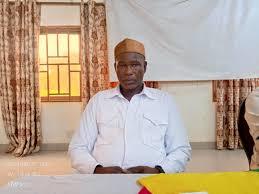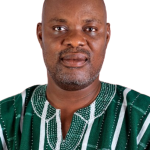
Hon. Mba Zackaria, Municipal Chief Executive. - Atwima Nwabigya District
About Atwima Nwabigya District
In the heart of Ghana’s Ashanti Region, Atwima Nwabiagya North District stands as a vibrant and fast-developing municipality, tracing its administrative origins to 15 March 2018 when it officially split from the larger Atwima Nwabiagya District.
With Barekese as its capital, the district spans approximately 276.6 square kilometers and is home to a population of 155,025, as captured in the 2021 census. Its geographic location places it within a network of strategic neighbors—Offinso Municipality to the north, Kumasi Metropolis to the south, and Afigya Kwabre South District to the east—linking rural livelihoods with urban economic opportunities.
The district’s population is predominantly youthful, with nearly 39 percent under the age of fifteen, and 68 percent residing in rural communities. Agriculture forms the backbone of the local economy, employing over half of the labor force. Major produce includes maize, cassava, rice, cocoa, and citrus, alongside growing poultry and aquaculture ventures. Small-scale industries such as pottery, timber processing, and food packaging also contribute to the economic landscape, reflecting the district’s versatility and entrepreneurial spirit.
Development efforts in the district have gained momentum under the leadership of Hon. Mba Zackaria, the newly confirmed Municipal Chief Executive. Nominated by President John Dramani Mahama in June 2025, Hon. Zackaria has quickly earned a reputation as a transparent, accountable, and collaborative leader. His confirmation was welcomed by both NPP and NDC supporters, signaling widespread public trust and cross-party endorsement. Residents describe him as impartial and solution-driven, with a strong emphasis on strategic planning and inclusive development.
Among the key projects reshaping Atwima Nwabiagya North District is the redevelopment of the Barekese Market, a transformative initiative that enhances economic activity and public sanitation in the district’s primary trading hub. Complementing this is the implementation of the Street Naming and Property Addressing Programme across communities like Adankwame and Akropong, improving administrative efficiency, emergency response, and revenue mobilization.
In the educational sector, the construction of classroom blocks and the distribution of mono desks have helped bridge critical infrastructure gaps in basic education delivery. Meanwhile, under the government’s Block Farming Programme, rice production in the district has expanded from 45 hectares to over 1,250 hectares, significantly boosting food security and creating employment avenues for youth and smallholder farmers.
Together, these developments signal a district in motion—led by visionary leadership and powered by community resilience. Atwima Nwabiagya North is carving out a future that blends agrarian strength with infrastructural innovation, laying the groundwork for sustainable growth and regional influence. Let me know if you'd like help formatting this for publication or integrating additional district narrativ

Leave a comment
Your email address will not be published. Required fields are marked *