Emmanuel Obeng Asamoah - DCE,Amansie Central District
Profile
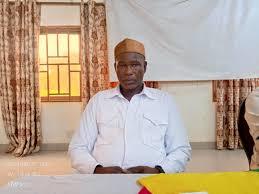
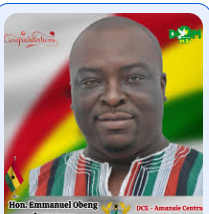
Emmanuel Obeng Asamoah has been confirmed as the DCE for the area. He was a parliamentary aspirant for the Nationall Democratic Congress .
About Amansie Central District
Amansie Central District, located in the southern part of Ghana’s Ashanti Region, was officially established in 2004 through Legislative Instrument 1774 after being carved out of the former Bekwai Municipal. Its administrative capital is Jacobu, and the district spans approximately 710 square kilometers. Bordered by Amansie East, Amansie West, Obuasi Municipal, Adansi North and South, and Upper Denkyira, the district is predominantly rural with agriculture as its economic backbone.
The population, as of the 2021 census, stands at over 93,000, with a fairly balanced gender distribution. Rich in forest resources and mineral deposits—especially gold—the district has seen both formal and informal mining activities, which have impacted land use and environmental sustainability. Despite its natural wealth, Amansie Central faces challenges in infrastructure, sanitation, and access to basic services, prompting several targeted development interventions.
One of the most transformative initiatives in the district is the Planting for Export and Rural Development (PERD) program. Introduced as part of Ghana’s national agricultural diversification strategy, PERD aims to reduce overreliance on cocoa by promoting other tree crops such as cashew, coconut, citrus, and oil palm. In Amansie Central, the district assembly collaborates with the Ministry of Food and Agriculture and the Tree Crop Development Authority to distribute certified seedlings and provide technical support to farmers. The program has empowered many rural households, especially women and youth, to engage in commercial farming and agro-processing, laying the groundwork for integration with the One District, One Factory initiative.
Another critical intervention is the Safe Water and Sanitation Initiative, which addresses the district’s longstanding issues with waterborne diseases and poor hygiene. This initiative has led to the construction of boreholes and mechanized water systems in underserved communities. Water and Sanitation (WATSAN) committees have been formed to manage these facilities, while hygiene education has been integrated into schools and community outreach programs. The results have been promising, with notable reductions in diarrheal diseases and improved school attendance, particularly among girls. The district is now exploring partnerships with organizations like WaterAid Ghana and UNICEF to expand coverage and introduce climate-resilient water systems.
A third project gaining traction is the Youth in Agriculture and Livelihood Empowerment Scheme. Recognizing the district’s youthful population and the need to curb rural-urban migration, this initiative provides training, inputs, and startup support for young farmers. Beneficiaries are engaged in vegetable farming, poultry, and aquaculture, with some receiving support to venture into agro-processing. The scheme has not only created employment but also fostered innovation in farming practices, with youth groups forming cooperatives to access markets and financial services. It aligns with the national Youth in Agriculture Programme (YIAP), which seeks to make farming a viable and dignified career path for Ghana’s youth.
Lastly, the Rural Roads Rehabilitation Project has been instrumental in improving connectivity across the district. Poor road infrastructure has long hindered access to markets, schools, and health facilities. Through this project, several feeder roads have been graded and resurfaced, linking farming communities to Jacobu and other commercial centers. The improved roads have facilitated the movement of goods and services, reduced transportation costs, and enhanced emergency response times. The district assembly continues to advocate for additional funding to extend the network and maintain existing roads, recognizing that infrastructure is key to unlocking the district’s economic potential.

Leave a comment
Your email address will not be published. Required fields are marked *