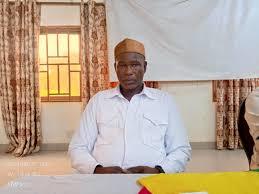

Hon. Bless Kodjo Katamani, District Chief Executive -Akatsi North Municipal District
Profile of DCE
Leading the Akatsi North district into its next chapter is Hon. Bless Kodjo Katamani, a 49-year-old educationist whose confirmation as District Chief Executive in April 2025 came with unanimous support—18 out of 18 assembly members gave him their vote, signaling collective faith in his leadership. Known for his consultative style and development-driven vision, Katamani stepped into office with a pledge to transform education, healthcare, agriculture, infrastructure, and youth empowerment through pragmatic and inclusive governance.
Four key initiatives are already creating waves of impact. Mechanized agriculture programs, supported by partner organizations, are enhancing food production and opening up export channels to Togo, empowering the district’s youth and boosting income.
Persons with Disabilities have received tailored support packages—from educational supplies to trading capital—helping to bridge economic inequalities and promote social inclusion. Sanitation efforts have intensified, with public education campaigns and enforcement of bylaws ensuring cleaner and healthier communities that can better support agri-business and tourism. Speaking of tourism, Hon. Katamani is spearheading the revitalization of the Ave-Dakpa Crocodile Pond, with guesthouses and food joints being developed to turn this natural landmark into a beacon of regional tourism and economic vibrancy.
From infrastructure to inclusive leadership, Akatsi North is steadily rising as a model of grassroots-driven transformation under the stewardship of a DCE who clearly understands the pulse of his people and the potential of his district.
ves.
About Akatsi North Municipal District
Akatsi North District, and four impactful development projects
In the southeastern corridor of Ghana’s Volta Region lies Akatsi North District, a relatively young administrative unit established in 2012 through Legislative Instrument 2161. With Ave Dakpa as its capital, the district stretches over 448 square kilometers and is bordered by neighboring districts and even the Republic of Togo.
The population, estimated at just over 32,500, is predominantly rural and youthful, with agriculture as the lifeblood of the local economy. Natural resources such as clay and granite hint at industrial possibilities, while education and health sectors reflect both progress and persistent gaps. Literacy stands at 66.8%, water systems are largely borehole-based, and public health services remain modest yet accessible.

Leave a comment
Your email address will not be published. Required fields are marked *