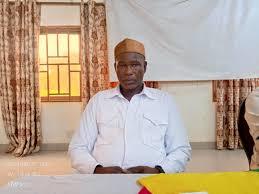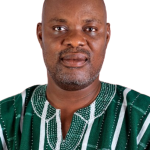

Hon. George Wumbei Bilimor,District Chief Executive-Saboba Municipal District
DCE
The district’s current District Chief Executive, Hon. George Wumbei Bilimor, confirmed in April 2025, has prioritized infrastructure, sanitation, and inclusive governance. His administration has launched monthly clean-up campaigns, commissioned a fire service station, and supported persons with disabilities through education and entrepreneurship. Hon. Bilimor’s leadership reflects a commitment to transparency, community engagement, and strategic planning, as outlined in the district’s 2025–2028 Composite Budget.
Saboba Municipal District
Saboba District: Tradition, Transformation, and Inclusive Development in Ghana’s Northeast
Saboba District, located in the northeastern corner of Ghana’s Northern Region, stands as a culturally rich and agriculturally vibrant district with growing development ambitions. Established in 1988 through Legislative Instrument 1854, the district was carved out of the former East Dagomba District as part of Ghana’s decentralization and local governance reforms. Saboba town serves as the administrative capital, anchoring a district that spans approximately 1,802 square kilometers and shares borders with Chereponi to the north, Tatale Sanguli to the south, Yendi and Gushegu to the west, and the River Oti to the east, which also marks the international boundary with Togo.
As of the 2021 Population and Housing Census, Saboba District has a population of 95,683, with a nearly equal gender distribution and over 90 percent of residents living in rural communities. Christianity is the dominant religion, followed by Islam and traditional beliefs, reflecting a diverse but harmonious cultural landscape. The district’s demographic profile is youthful, with high fertility rates and a strong reliance on agriculture for livelihoods.
Agriculture remains the backbone of the local economy, engaging over 85 percent of the population. Farmers cultivate millet, sorghum, maize, rice, groundnuts, beans, and yam, while livestock rearing and fishing supplement household incomes. Saboba is a net exporter of yams and legumes, attracting traders from southern Ghana. However, poor road infrastructure continues to hinder market access and economic expansion.
In recent years, Saboba District has made notable progress in education, health, water, and sanitation. The district operates 40 CHPS zones, with 39 fully functional and staffed by trained midwives. Educational enrollment exceeds 28,000 students, supported by over 740 teachers. In 2023, the Assembly supplied 840 pieces of furniture to basic schools and drilled ten boreholes to improve water access.
Under the Gulf of Guinea Northern Region Social Cohesion (SOCO) project, Saboba has seen the construction of a six-unit model girls’ school at Hilltop, a maternity ward with consulting rooms at Demong, and the renovation of market sheds and community centers. Boreholes fitted with handpumps and solar-powered systems have been installed, while feeder roads have been rehabilitated to improve connectivity. These initiatives aim to enhance infrastructure, promote social cohesion, and improve livelihoods.
DCE
The district’s current District Chief Executive, Hon. George Wumbei Bilimor, confirmed in April 2025, has prioritized infrastructure, sanitation, and inclusive governance. His administration has launched monthly clean-up campaigns, commissioned a fire service station, and supported persons with disabilities through education and entrepreneurship. Hon. Bilimor’s leadership reflects a commitment to transparency, community engagement, and strategic planning, as outlined in the district’s 2025–2028 Composite Budget.
Despite its progress, Saboba District faces persistent challenges including poor telecommunication networks, inadequate health and educational facilities, limited staff accommodation, and environmental degradation. The Assembly continues to implement climate-resilient strategies and promote sustainable development through partnerships and community-led initiatives.
Saboba District’s journey is one of resilience, cultural pride, and strategic transformation. With visionary leadership, targeted investments, and active community participation, the district is steadily positioning itself as a key player in Ghana’s Eastern Corridor development agenda.

Leave a comment
Your email address will not be published. Required fields are marked *