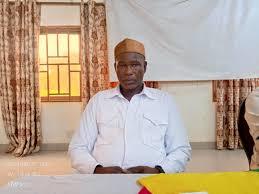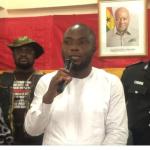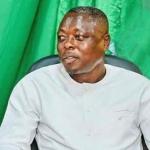

Hon. Azindow Hamza Moabalyn, District Chief Executive - Mion Municipal District
Mion Municipal District
Leadership Profile: Hon. Azindow Hamza Moabalyn
Appointed in 2025, Hon. Azindow Hamza Moabalyn brings a renewed focus on education, youth empowerment, and infrastructure development. His administration has emphasized collaborative governance, working closely with traditional leaders and the Member of Parliament to deliver impactful services.
Key Development Initiatives
Mion District: Driving Inclusive Development under Azindow Hamza Moabalyn
Mion District, located in the eastern corridor of Ghana’s Northern Region, was established in 2012 through Legislative Instrument 2064. With Sang as its capital, the district spans over 2,714 square kilometers, bordered by Tamale Metropolis, Yendi, Nanumba North, East Gonja, and other neighboring districts.
Population & Economy
Home to approximately 94,930 residents (2021 Census), Mion is predominantly rural, with agriculture employing over 90% of the population. Key crops include maize, yam, groundnuts, rice, and soybeans, alongside shea nut processing and livestock rearing.
Appointed in 2025, Hon. Azindow Hamza Moabalyn brings a renewed focus on education, youth empowerment, and infrastructure development. His administration has emphasized collaborative governance, working closely with traditional leaders and the Member of Parliament to deliver impactful services.
Key Development Initiatives
● Education Support
○ Distribution of mathematics sets and pens to all final-year JHS students preparing for the BECE
○ Partnership with the MP to provide meals for candidates during the exam period
○ Advocacy for improved school infrastructure and teacher support
● 🏥 Healthcare Access
○ Strengthening CHPS compounds and health centers across the district
○ Promotion of NHIS enrollment and maternal health outreach
● 💧 Water & Sanitation
○ Installation of solar-powered mechanized boreholes in underserved communities
○ Community sensitization on sanitation and hygiene practices
● ⚡ Electrification & Infrastructure
○ Expansion of rural electrification to remote communities
○ Lobbying for feeder road upgrades to improve market access and mobility
● Environmental Management
○ Enforcement of environmental bylaws on tree cutting and bushfire control
○ Collaboration with NGOs on climate resilience and regreening initiatives
● Agricultural Empowerment
○ Support for farmer-based organizations and agro-processing cooperatives
○ Promotion of post-harvest storage and market linkages
The district’s composite budget (2025–2028) outlines priorities in governance, infrastructure, education, and economic development, aligning with national goals for rural transformation.

Leave a comment
Your email address will not be published. Required fields are marked *